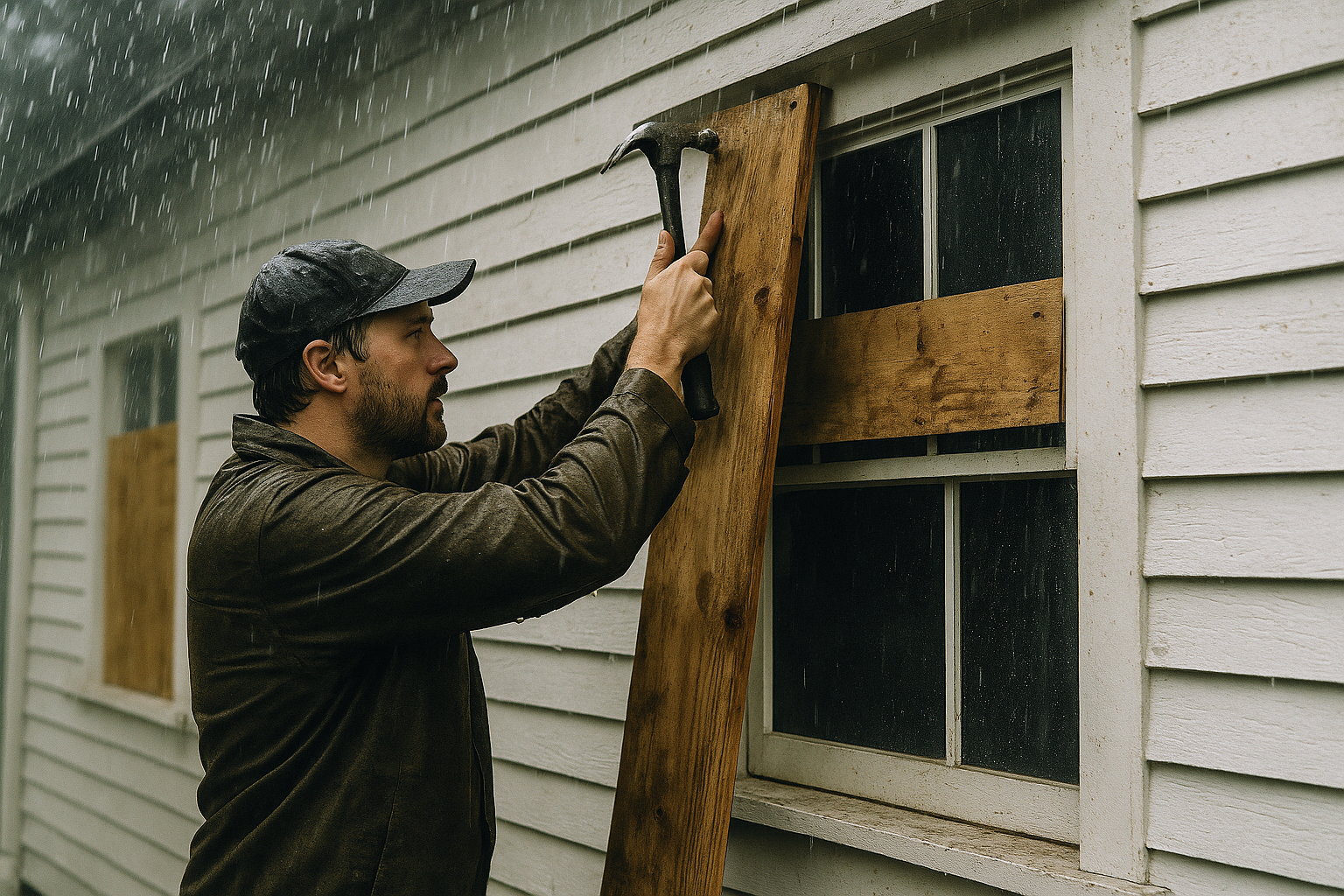
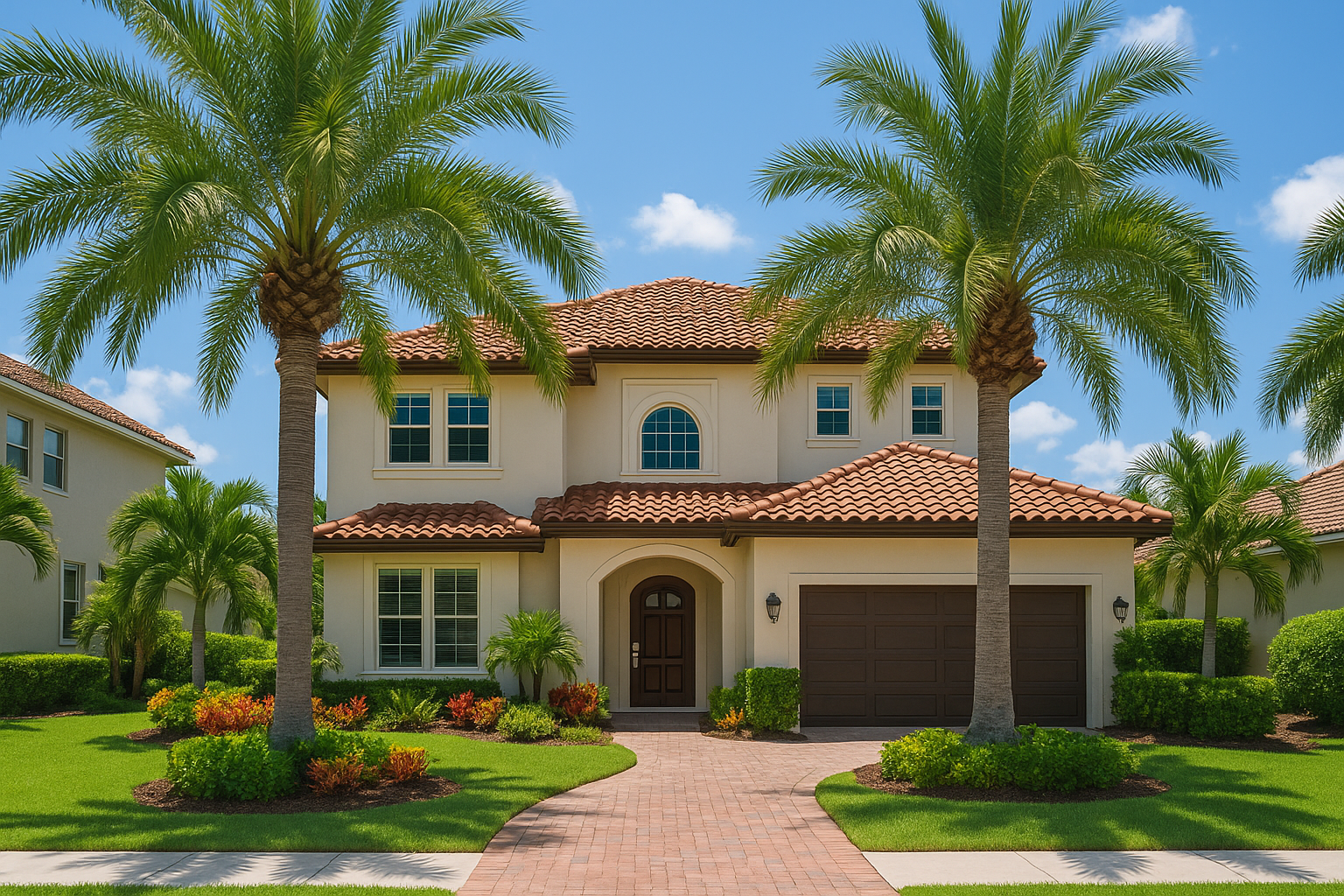
Florida is known for its sunny weather, beautiful beaches, and vibrant communities. However, many residents also face unique risks such as hurricanes, flooding, and sinkholes. Due to these factors, understanding the various types of Florida home insurance is crucial for homeowners. By exploring the available insurance options, you can protect your property and financial well-being. In this article, you will learn about the basics of Florida home insurance, the standard policies available, and specialized options that address Florida’s unique risks. Finally, you will find helpful tips to help you select the best policy for your needs.
Understanding the Basics of the Different Types Of Florida Home Insurance
Home insurance in Florida is designed to protect homeowners from unexpected financial losses. Many policies offer coverage for damages to your home and personal property. Most importantly, insurance can help protect you against liability if someone injures themselves on your property. Since Florida faces frequent storms and other natural disasters, having the right insurance is crucial. Many lenders will even require homeowners’ insurance before they approve your mortgage.
In Florida, the state’s environment creates specific risks that are not as common elsewhere. Because hurricanes are a frequent threat, many insurance policies include special provisions for wind and storm damage. However, most carriers do not cover all damages under a standard policy, so it is very important to know what your policy includes. By understanding these basics, you can see why Florida home insurance is different from coverage in other states.
Many homeowners assume that all insurance policies are the same, but this is not true. Florida laws require some types of coverage, while others are optional. For example, flood damage is not included in most standard policies, so you may need to purchase extra coverage. By learning about the foundation of home insurance, you can avoid surprises and make better decisions to protect your home.
Exploring Standard Homeowners Insurance Policies
Standard homeowners’ insurance policies in Florida usually include several types of coverage. First, dwelling coverage protects the physical structure of your home against damage from fire, wind, or vandalism. In addition, personal property coverage helps replace items like furniture, electronics, and clothing if they are stolen or damaged. Many policies also include liability protection, which can cover legal fees if someone hurts themselves on your property.
However, each standard policy has its own limits and exclusions. For example, many Florida policies exclude flood damage, even though flooding is common in the state. Because of this, homeowners must pay close attention to what is and is not covered. Reading your policy carefully and asking your insurance agent questions can help you avoid costly surprises later.
Although standard policies provide a solid foundation, they may not be enough for every homeowner. Some homes may need extra coverage for high-value items, such as jewelry or fine art. Others may need riders or endorsements for things like home offices or backyard pools. By exploring the details of standard policies, you can decide if you need extra protection for your unique situation.
Different Types Of Florida Home Insurance Options
Many Florida homeowners need specialized insurance due to the state’s unique risks. Flood insurance, for example, is often necessary due to heavy rains and hurricanes. The National Flood Insurance Program offers coverage that standard policies do not, giving homeowners peace of mind during storm season. Even homes outside high-risk flood zones can benefit from this coverage, as flash floods can happen anywhere.
Another important specialized option is windstorm insurance. Some areas in Florida are so prone to hurricanes that insurers require a separate windstorm policy. These policies help cover damage caused by high winds, flying debris, or broken windows. Without windstorm coverage, homeowners may have to pay out of pocket for storm repairs. Because of the risk, it is wise to check whether your home is in a windstorm-prone area and choose coverage accordingly.
Sinkhole insurance is another unique offering in Florida. Sinkholes can cause major structural damage to homes, especially in regions with soft limestone bedrock. Standard policies may cover only catastrophic sinkhole damage or none at all. Adding a separate sinkhole endorsement can help protect your home if the ground beneath it shifts. By considering specialized coverage options, Floridians can prepare for nearly any scenario.
Tips for Choosing the Best Policy for Your Needs
Start by assessing the unique risks in your area. For example, if you live near the coast, you might be more vulnerable to hurricanes and storm surges. Inland areas may still face flooding and sinkholes, so do not assume you are safe from those threats. Understanding your location’s risks will help you decide which coverage is essential for your home.
Next, compare quotes from several insurance providers. Many companies offer discounts for bundling home and auto policies or for installing safety features such as alarms and storm shutters. By shopping around and asking about discounts, you can find a policy that fits your budget and needs. Always read the fine print to avoid unpleasant surprises when you need to file a claim.
Finally, review your policy every year or after major life changes. For instance, renovating your home or buying expensive electronics may require updating your coverage. Stay in close contact with your insurance agent and ask questions whenever something is unclear. By staying proactive about your insurance, you can feel confident that your home is protected, no matter what Florida’s weather brings.
Conclusion
Choosing the right home insurance in Florida may seem overwhelming, but breaking the process into steps can make it more manageable. Start by learning about the basics of home insurance and the specific risks your property faces. Understand what the insurance company includes in standard homeowners policies and how they may fall short in certain situations. Next, consider specialized insurance options designed to address Florida’s unique risks, such as hurricanes, flooding, and sinkholes. By comparing different providers and asking about both coverage options and discounts, you can build a policy that fits your needs and budget. Remember, the different types of Florida home insurance are not just about protecting your house, but also about safeguarding your financial security and peace of mind.